Surprise repair bills usually happen for one of two reasons. Either a problem was developing quietly, and nobody caught it early, or the information got lost in translation between what the car needed and what the owner expected.
A digital vehicle inspection is designed to close that gap, using real documentation instead of vague descriptions.
It turns the visit into something you can actually see and understand.
What A Digital Vehicle Inspection Really Is
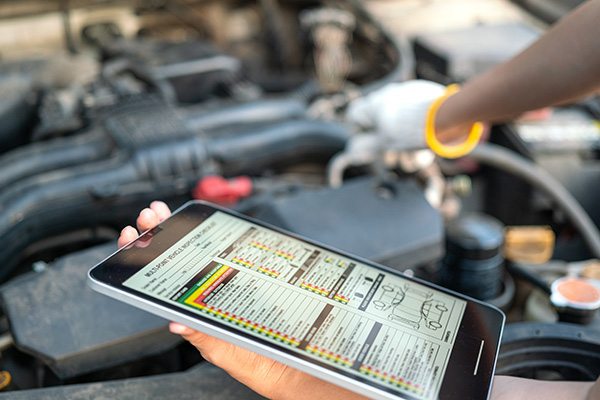
A digital vehicle inspection is a structured check of your vehicle that includes photos, notes, and measured results captured during the appointment. Instead of trying to remember what a technician said at the counter, you get a clear report that shows what was found and where.
It also creates consistency. The same key areas get looked at each time, so it is easier to spot changes from one visit to the next, even if the symptoms are subtle.
What Gets Documented During A DVI
A solid DVI does not just say brakes are worn or tires are fine. It shows tread depth, pad thickness, fluid condition, and visible leaks or damage with supporting photos.
Here are examples of what a good report often includes:
- Brake pad and rotor condition with measurements
- Tire tread depth and uneven wear patterns
- Fluid levels and fluid condition notes
- Battery health and charging system clues
- Leaks, torn boots, or worn bushings with photos
That documentation matters because it turns a recommendation into evidence. We’ve seen many situations where one photo and a simple measurement make the decision a whole lot easier.
Why DVIs Reduce Surprise Repair Bills
A surprise bill often comes from hidden wear. A bushing can be cracked long before it clunks. A tire can be wearing unevenly long before it shakes the steering wheel. A seep can stay small until a long drive or a hot day makes it worse.
With a DVI, those early signs are easier to catch and explain. Once you can see what is changing, you can plan repairs instead of reacting to breakdowns.
Better Planning Without Pressure Or Guessing
Most people do not want a long repair list dropped on them all at once. What helps is a clear priority order and an explanation of what can wait, what should be handled soon, and what needs attention now for safety or to prevent damage.
That is where a DVI shines for regular maintenance. It helps you build a plan that fits your budget, while still protecting the parts that are expensive when they fail.
Clear Approvals And Fewer Miscommunications
A common frustration is approving one thing, then hearing about something else later. Some of that is normal because a vehicle can reveal additional wear once it is lifted or disassembled, but communication makes the difference between a smooth experience and a stressful one.
A DVI gives you a shared reference point. Instead of a back-and-forth about what a technician meant, you can review the same photos and notes and ask the right questions. In a simple way, that keeps the inspection process grounded in facts.
Building A Record You Can Use Later
A digital report becomes a snapshot of your vehicle at a moment in time. Over multiple visits, those snapshots add up into a useful history. You can see whether tire wear improves after an alignment, or whether a minor seep stays stable or gets worse.
That record is also helpful if you are planning a road trip, deciding whether to keep a car long-term, or even preparing to sell it. A buyer may not know what a control arm bushing is, but they understand consistent documentation and steady care.
Get A Digital Vehicle Inspection in Northridge, CA with RM Automotive
We can document what your car needs with clear photos and measurements, then walk you through the priorities so you can make decisions with confidence.
Schedule a digital vehicle inspection with RM Automotive in Northridge, CA, and we’ll help you avoid the kind of surprise repairs that show up at the worst time.
You’ll leave with a plan that actually makes sense for your car and your budget.