Posted on 5/29/2026
%20copy.jpg)
An overheating engine can go from concerning to expensive faster than most drivers expect. At first, the temperature gauge climbs a little higher than normal, or the warning light shows up on the dashboard. The car might still run, so it can feel tempting to keep going for a few more miles. That choice can put the head gasket at risk. Once engine heat gets out of control, parts that need to stay flat, sealed, and properly cooled can start moving beyond their limits. Why Overheating Threatens The Head Gasket The head gasket sits between the engine block and the cylinder head. Its job is to seal combustion pressure, engine oil, and coolant in their proper places. That seal has to survive high pressure, constant heat, and thousands of engine cycles every time you drive. When the engine overheats, the metal parts around the gasket can expand beyond their intended limits. If the cylinder head warps even slightly, the gasket can lose its seal. Once that happens, coolant ... read more
Posted on 5/15/2026
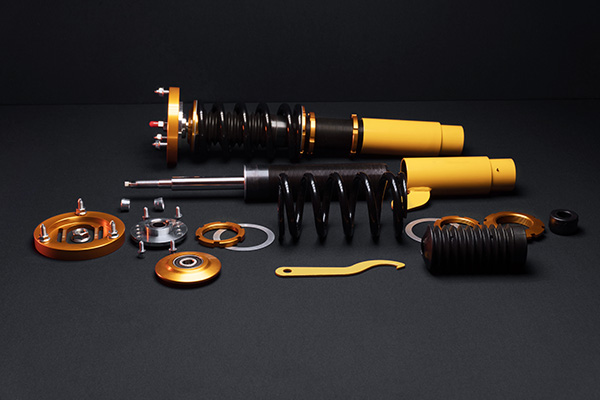
Suspension problems can sneak up because the change is usually gradual. The ride feels a little rougher, the steering takes more effort to control, or the car does not feel as settled over bumps. Since it still drives, many people keep putting it off. Shocks and struts are two of the parts that help control how the vehicle moves. When they wear out, the car can become harder to handle, harder on tires, and less stable during braking or quick turns. What Shocks And Struts Actually Do Shocks and struts help control spring movement. Every time your tire hits a bump, the spring compresses and rebounds. Without control, the vehicle would bounce too much and feel loose on the road. Shocks and struts slow that motion, keeping the tires planted. They do not perform the same job. A shock is usually a separate dampening part. A strut is part of the suspension structure and can affect alignment, ride height, and steering geometry. Both help control movement, but struts play a ... read more