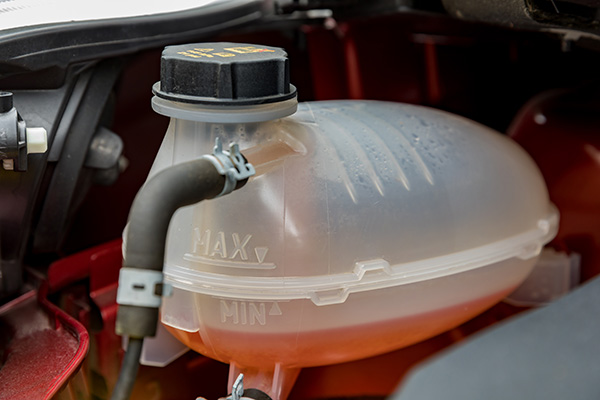
A dropping coolant level can seem minor at first. You top it off, drive for a while, and everything feels normal again. That cycle can repeat so many times that it starts to feel routine rather than concerning.
Coolant does not disappear on its own. If the level keeps dropping, something is allowing it to escape. Finding that cause early helps avoid overheating and larger engine problems.
What The Radiator And Cooling System Do
The radiator is part of a larger system that controls engine temperature. Coolant flows through the engine, absorbs heat, and moves through the radiator, where that heat is released.
If coolant is lost anywhere in the system, the engine cannot properly regulate temperature. That is when overheating becomes a real risk.
1. External Leaks From Hoses Or Connections
One of the most common causes is a visible leak. Hoses, clamps, and connections can wear out over time. Small cracks or loose fittings allow coolant to escape gradually.
These leaks do not always leave large puddles. Sometimes you will notice a slight residue, a sweet smell, or damp areas around the engine bay. An inspection helps confirm where the leak is starting.
2. Radiator Damage Or Corrosion
Radiators can develop leaks due to age, corrosion, or physical damage. Road debris, internal buildup, or long-term wear can weaken the material.
A small crack or pinhole can slowly release coolant while the vehicle is running. Since the leak may only occur under pressure, it is not always easy to spot without testing.
3. Water Pump Leaks
The water pump keeps coolant circulating through the engine. If the seal fails, coolant can leak from the pump housing.
This type of leak can be subtle at first. Over time, it can lead to noticeable coolant loss and reduced system performance. Ignoring it can eventually affect circulation and engine temperature.
4. Reservoir Or Cap Problems
The coolant reservoir and radiator cap help maintain proper pressure. If the cap does not seal correctly, coolant can escape as vapor or overflow under pressure.
A cracked reservoir can also allow coolant to leak out slowly. These parts are easy to overlook, but they are essential to the system’s ability to hold and regulate coolant properly.
5. Internal Engine Leaks
Not all coolant loss is visible. In some cases, coolant leaks internally into the engine. This can occur due to a failing head gasket or other internal components.
Signs may include white exhaust smoke, rough running, or coolant disappearing without any visible leak. These situations require immediate attention because they can lead to more serious engine damage.
6. Evaporation From Overheating Or Pressure Issues
When the engine runs hotter than it should, coolant can be pushed out of the system or evaporate. This can happen if there is a pressure imbalance or an existing cooling issue.
Even if the temperature returns to normal later, the lost coolant still needs to be accounted for. Repeated losses indicate a system that is not operating correctly.
Why Topping Off Coolant Is Not A Fix
Coolant may temporarily restore the level to normal, but it does not address the underlying issue. If the system is leaking or losing pressure, the same problem will return.
That is why it is better to identify the cause rather than keep refilling it. A small leak today can turn into overheating tomorrow.
Regular maintenance and a proper inspection help catch these issues before they affect engine performance.
When To Have It Checked
If your coolant level keeps dropping, even slowly, it is time to have the system inspected. Waiting increases the risk of overheating and engine damage.
Even without visible symptoms, consistent coolant loss is enough reason to take action. The sooner the source is found, the easier it is to fix.
Get Cooling System Repair In Northridge, CA, With RM Automotive
If your vehicle is losing coolant or showing signs of a cooling system issue, RM Automotive in Northridge, CA, can perform an inspection to identify the source of the problem.
Bring it in early to prevent overheating and protect your engine.