Posted on 6/30/2026
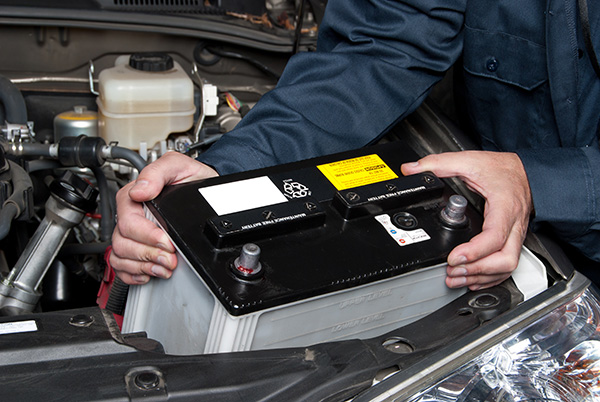
A swollen car battery can look strange the first time you notice it. The case may look puffed out, the sides may seem rounded, or the top may no longer sit flat. Some drivers spot it while checking under the hood. Others only find out after the car starts slowly or needs a jump. Heat is one of the biggest reasons this happens, and California weather can be tough on batteries. Long sunny days, hot pavement, stop-and-go traffic, and high under-hood temperatures all create the kind of stress that can shorten battery life and, in some cases, lead to swelling. Why Heat Is So Hard On Car Batteries A car battery works through a chemical reaction. Heat speeds that reaction up, which might sound helpful at first, but it actually causes the battery to age faster. High temperatures can increase internal pressure, dry out internal components, and cause the battery to lose capacity sooner than expected. Cold weather gets blamed for many battery failures because it makes weak ba ... read more
Posted on 6/15/2026
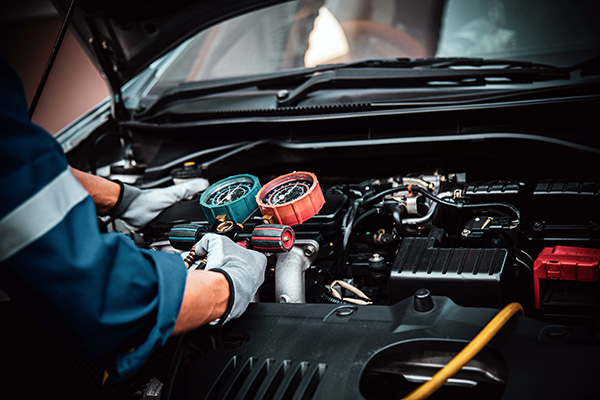
Car A/C refrigerant is not something most drivers think about until the air stops blowing cold. Then the repair conversation can get confusing fast. One vehicle uses R-134a, another uses R-1234yf, and the service costs may not look the same even when the symptoms feel similar. The difference is not just a label under the hood. These refrigerants have different environmental standards, service equipment, fittings, handling rules, and repair costs. Knowing which system your vehicle uses helps you understand why proper A/C service matters before anyone starts adding refrigerant. Why Cars Use Different Refrigerants For many years, R-134a was the standard refrigerant in vehicle A/C systems. It replaced older refrigerants and became common across many makes and models. If you have an older vehicle, there is a good chance it uses R-134a, though the under-hood label is the best way to confirm. R-1234yf became more common in newer vehicles because it has a much lower global ... read more