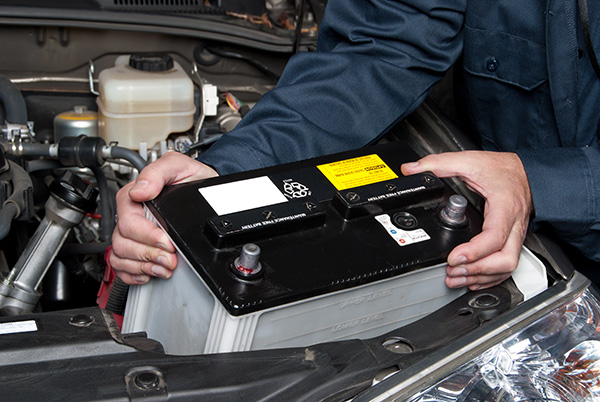
A swollen car battery can look strange the first time you notice it. The case may look puffed out, the sides may seem rounded, or the top may no longer sit flat. Some drivers spot it while checking under the hood. Others only find out after the car starts slowly or needs a jump.
Heat is one of the biggest reasons this happens, and California weather can be tough on batteries. Long sunny days, hot pavement, stop-and-go traffic, and high under-hood temperatures all create the kind of stress that can shorten battery life and, in some cases, lead to swelling.
Why Heat Is So Hard On Car Batteries
A car battery works through a chemical reaction. Heat speeds that reaction up, which might sound helpful at first, but it actually causes the battery to age faster. High temperatures can increase internal pressure, dry out internal components, and cause the battery to lose capacity sooner than expected.
Cold weather gets blamed for many battery failures because it makes weak batteries harder to start. The damage, though, is often done during warmer months. By the time the battery struggles in cooler weather or after sitting overnight, heat may have already weakened it from the inside.
What Battery Swelling Really Means
Battery swelling means pressure or internal damage has changed the shape of the battery case. That is not a normal aging sign you should keep driving with. A swollen case can point to overheating, overcharging, internal shorting, or chemical breakdown inside the battery.
Once the case changes shape, the battery should be treated as unsafe. It may not hold a charge properly, which can cause starting problems or electrical issues. More importantly, a swollen battery can leak or fail in a way that creates a safety concern under the hood.
California Heat Adds Extra Stress
California drivers deal with heat in a different way than drivers in cooler climates. A car parked in direct sun can build extreme under-hood and cabin temperatures even before the engine starts. Add traffic, A/C use, and hot road surfaces, and the battery sits in a rough environment for much of the year.
The battery may also work harder because modern vehicles use many electrical features. Screens, sensors, power accessories, cooling fans, security systems, and charging ports all add demand. A battery that is already heat-stressed has less reserve left when the vehicle asks for more power.
Overcharging Can Cause Swelling
Heat is not the only reason a battery swells. Overcharging is another major cause. If the charging system sends too much voltage to the battery, internal heat and pressure can rise. That can damage the battery and cause the case to expand.
A faulty alternator, voltage regulator problem, poor ground, or wiring issue can all affect charging behavior. That is why replacing a swollen battery without checking the charging system can be a mistake. If the car is overcharging, the new battery can end up damaged too.
A Weak Battery Can Create Other Problems
A swollen or heat-damaged battery does not always fail cleanly. It can cause slow cranking, warning lights, flickering electronics, odd module behavior, or a car that starts fine one day and struggles the next. Modern vehicles need a stable voltage, and a weak battery can confuse systems that depend on clean power.
Some drivers replace parts before realizing the battery was the source of the strange behavior. Testing battery condition and charging voltage can save time. Electrical problems are much easier to sort out when the power supply is confirmed first.
Can Battery Swelling Be Prevented?
You cannot control the weather, but you can reduce battery stress. Parking in shade when possible, limiting long periods of sitting, keeping terminals clean, and making sure the battery is properly secured all help. A loose battery can vibrate, and vibration adds another kind of wear.
Regular maintenance should include battery and charging system checks, especially before the hottest part of the year. An inspection can show whether the battery is weak, whether the alternator is charging correctly, and whether corrosion or loose connections are adding extra strain.
When To Replace A Swollen Battery
A swollen battery should be replaced, not left to swell. Do not try to push the case back into shape, open the battery, or charge it with a home charger to see if it recovers. Once the case is distorted, the internal condition is no longer trustworthy.
The safe move is to have the battery handled by a professional and the charging system tested at the same visit. That protects the new battery and helps confirm the vehicle does not have a charging fault that caused the swelling in the first place.
Get Car Battery Service In Northridge, CA, With RM Automotive
If your battery looks swollen, your car is cranking slowly, or you are worried about heat-related battery failure, RM Automotive in Northridge, CA, can test the battery and charging system before the problem leaves you stranded.
To stay ahead of California heat and battery trouble, contact us to schedule an appointment.