You notice a small coolant spot under the car, but the temperature gauge looks fine. The radiator has a crack, and the leak seems minor. Can you keep driving as long as you top off the coolant from time to time?
A cracked radiator needs a prompt inspection because its behavior changes as the cooling system heats up and pressure builds. The size of a puddle after parking doesn't show how much coolant escapes while driving. A leak that seems manageable can turn into an overheating problem.
A Radiator Crack Can Leak Differently When Hot
The radiator releases heat from the coolant as air passes through its core. Its tanks, tubes, and connections work in a system that gets hot and pressurized. A crack may seep slowly when the car is cold, then lose coolant much faster once the engine reaches operating temperature.
Some leaking coolant evaporates on hot surfaces instead of pooling, so residue or a steadily dropping level can tell you more than the size of a stain. Don't judge the leak only by looking under the car in the morning. You need to check the system under the right conditions to find the source and understand the loss.
Radiator Cracks Can Grow With Heat And Vibration
A radiator goes through temperature changes, pressure cycles, and plenty of movement as the vehicle is used. A damaged tank, seam, or connection can get worse under those conditions. The original leak may stay small for a while or worsen suddenly. There's no dependable mileage allowance for driving on a known crack.
Road debris, age, mounting problems, and other cooling-system faults can all contribute to damage. The repair should consider the cause so a replacement isn't exposed to the same problem. A small crack today doesn't tell you how the radiator will perform on tomorrow's drive, especially if the system keeps losing coolant.
Coolant Loss Can Reduce Engine Cooling
The cooling system depends on enough coolant circulating through the engine and radiator. A leak can lower the level and interfere with heat transfer. Air that gets into the system, or stays there, can also affect circulation and call for the specified filling and bleeding procedure.
Overheating can damage engine components, including the cylinder head and head gasket, and a radiator leak doesn't have to look dramatic for that to happen. Adding coolant may bring the level back for a while, but it doesn't restore a cracked radiator's ability to hold coolant and pressure. The underlying leak still needs repair.
Radiator Leak Warnings Need A Safe Response
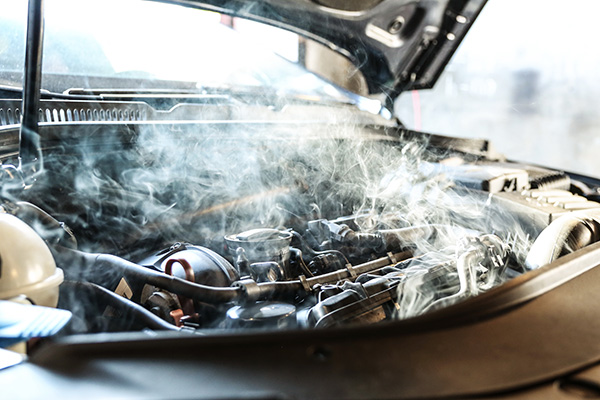
A rising temperature reading, an overheating message, steam, or rapid coolant loss means you should stop safely and shut the engine off. Follow the owner's manual and arrange assistance. Don't push on just because the shop or your driveway is only a short distance away.
Never remove a radiator or coolant reservoir pressure cap while the system is hot. Pressurized coolant can cause serious burns. And a gauge that looks normal again after you stop doesn't prove the leak went away. If the vehicle overheated, tell the technician what happened and whether you drove it afterward so the inspection can check for possible additional damage.
Radiator Inspection Should Check The Whole Cooling System
A technician can inspect the radiator, connections, hoses, reservoir, cap, and related components. A pressure test done properly can help locate leaks that are hard to see. If the vehicle has been running hot, fan operation and other cooling-system functions may need checking too.
Useful information about a radiator leak includes:
- How often you add coolant and the product you use.
- Whether the leak shows up cold, hot, or after driving.
- Any temperature warning, steam, or recent cooling-system work.
Those details help us distinguish a known crack from other issues that could cause coolant loss or overheating.
Radiator Repair Depends On The Location And Material
Whether a radiator can be repaired depends on its construction and the damage. A cracked plastic tank, a damaged seam, and a leak in the metal core are three different situations. Replacement may be the sensible, durable option when the damaged area can't be reliably repaired, or the radiator is deteriorating elsewhere.
A bottle of stop-leak isn't an automatic permanent repair. Those products can create restrictions or conflict with the vehicle's service instructions. Ask what repair is recommended and why it suits the radiator's condition. A clear explanation should also cover any related hoses, fittings, or mounting concerns that need attention during the work.
Correct Coolant And Follow-Up Checks Support Radiator Service
After a repair, the system needs the correct coolant specification, a suitable concentration, and the manufacturer's filling process. Don't choose coolant by color alone. Mixing unsuitable products or repeatedly adding water can weaken the protection the system was designed to provide.
The finished service should include checking for leaks and confirming the cooling system works properly. Afterward, monitor the level using the prescribed procedure and report any continued loss. If overheating caused separate engine damage, replacing the radiator alone may not clear up every symptom. Getting a small leak inspected early gives you a better chance to address it before complications show up.
Get Radiator Leak Inspection In Northridge, CA, With RM Automotive
RM Automotive in Northridge, CA, can inspect radiator cracks, recurring coolant loss, and overheating concerns. We can pinpoint the leak, check the related cooling components, and explain whether radiator repair or replacement makes sense for your vehicle.
Contact us to schedule an inspection of your vehicle's radiator leak.